Cottage Food Law NY: What Home Bakers Can Sell in New York (2026)
Short answerYes. New York lets you make and sell certain low-risk foods, such as breads, cookies, cakes and high-acid fruit jams, from your home kitchen without an Article 20-C license, if you register as a home processor under 1 NYCRR 276.4. Refrigerated foods, sauces, canned vegetables and dairy are not allowed.
Last verified: November 1, 2026 against 1 NYCRR 276.4, Agriculture and Markets Law Article 20-C and the Department of Agriculture and Markets home processing page
The cottage food law NY home bakers talk about is not a single statute with that name. It is a licensing exemption in a state regulation, and it lets people who cook in an ordinary home kitchen sell approved foods without a commercial food processing license. The New York State Department of Agriculture and Markets calls these sellers “home processors.”
This page explains who qualifies, which foods are on the approved list, what your label must say, where you can sell, and what a pending bill could change. It covers state rules only and is general information, not legal advice.
Key facts
- Legal basis: exemption from Article 20-C licensing under
1 NYCRR 276.4. - Fee: none at this time, and the registration has no expiration date.
- Foods: only items on the state’s approved list. Anything that needs refrigeration is out.
- Selling: retail or wholesale, but only inside New York State.
- Inspections: kitchens are reviewed on a complaint basis only.
- Wait time: the state says to allow up to 16 weeks for review.
What is the New York cottage food law?
It is the Home Processing licensing exemption, found in 1 NYCRR 276.4. Normally a business that makes food for sale needs a license under Agriculture and Markets Law Article 20-C. A registered home processor is exempt from that license if the food is made only with the ordinary kitchen facilities of the home and is not a potentially hazardous food.
Commercial equipment is not treated as ordinary kitchen equipment. Your home processor registration becomes void if you sell prohibited foods or open a licensed or permitted food business.
Which foods can you sell under the home processor exemption?
You can sell the foods the Department lists as approved home processed foods. The list is short and specific, and some items come with conditions.
| Category | Allowed examples | Condition |
|---|---|---|
| Baked goods | Breads, rolls, bagels, muffins, cookies, brownies, cupcakes, scones, biscotti, baklava | No vegetables in breads, no cream fillings in doughnuts |
| Cakes and pies | Cakes, cake pops, double-crust fruit pies | No homemade buttercream or cream cheese frosting. Single-crust, custard, nut and meat pies are banned |
| Jams and jellies | Jams, jellies and marmalades from high-acid fruit such as apple, blueberry, cherry, lemon, peach and strawberry | Fruit must be high acid |
| Candy and snacks | Fudge, caramel corn, peanut brittle, toffee, hard candy, granola, trail mix, crackers, pretzels | Commercially roasted nuts only |
| Dry goods | Repackaged spices, herbs, dried fruit, dry soup mixes and baking mixes | Commercially dried products only |
What foods are banned for home processors in New York?
Anything that needs refrigeration is prohibited, and so are the foods below. The Department says its list of banned foods is not limited to these examples.
- Cheesecake, cream-filled pastries, cream pies and meringue pies.
- Pickles, relishes, sauerkraut, salsas, sauces, marinades, mustards, ketchups and vinegars.
- Cooked or canned fruits or vegetables, compotes and spreads.
- Cheese, yogurt, butter and other dairy products.
- Meat, fish and poultry products.
- Beverages, nut butters and freeze-dried foods.
- Foods that contain alcohol, and no-bake products.
Pet food needs its own registration. Your website and social media posts also cannot advertise foods the exemption does not allow.
How do you register as a home processor in New York?
You submit a Home Processor Registration Request to the Division of Food Safety and Inspection at the Department of Agriculture and Markets, by email or mail. The Department’s mailing address is 10B Airline Drive, Albany, NY 12235.
- Registration is tied to your home address, so moving means registering again.
- If you use a private well, you need a total coliform test from a certified lab.
- To add products later, you file a supplemental registration.
- Check local zoning before you start any home-based business.
The exemption is not available to anyone who already holds a Department of Health permit or a Department of Agriculture and Markets license. For sales tax rules, contact the Department of Taxation and Finance.
What must a home processor label say?
Every product must be packaged at home and labeled before it is sold, because packaging at an event is not permitted. The label needs:
- The common or usual name of the food.
- An ingredient list in order of weight, heaviest first.
- The net quantity of contents.
- Your name and full address, including street or PO box, city, state and ZIP code.
- Any major allergen: eggs, milk, fish, shellfish, soybeans, peanuts, tree nuts, wheat or sesame.
The Department also recommends a statement such as “Made in a Home Kitchen” in type at least 1/16 inch tall. Jams and jellies sold in glass jars need rigid metal lids under 1 NYCRR 276.4.
Where can you sell homemade food in New York?
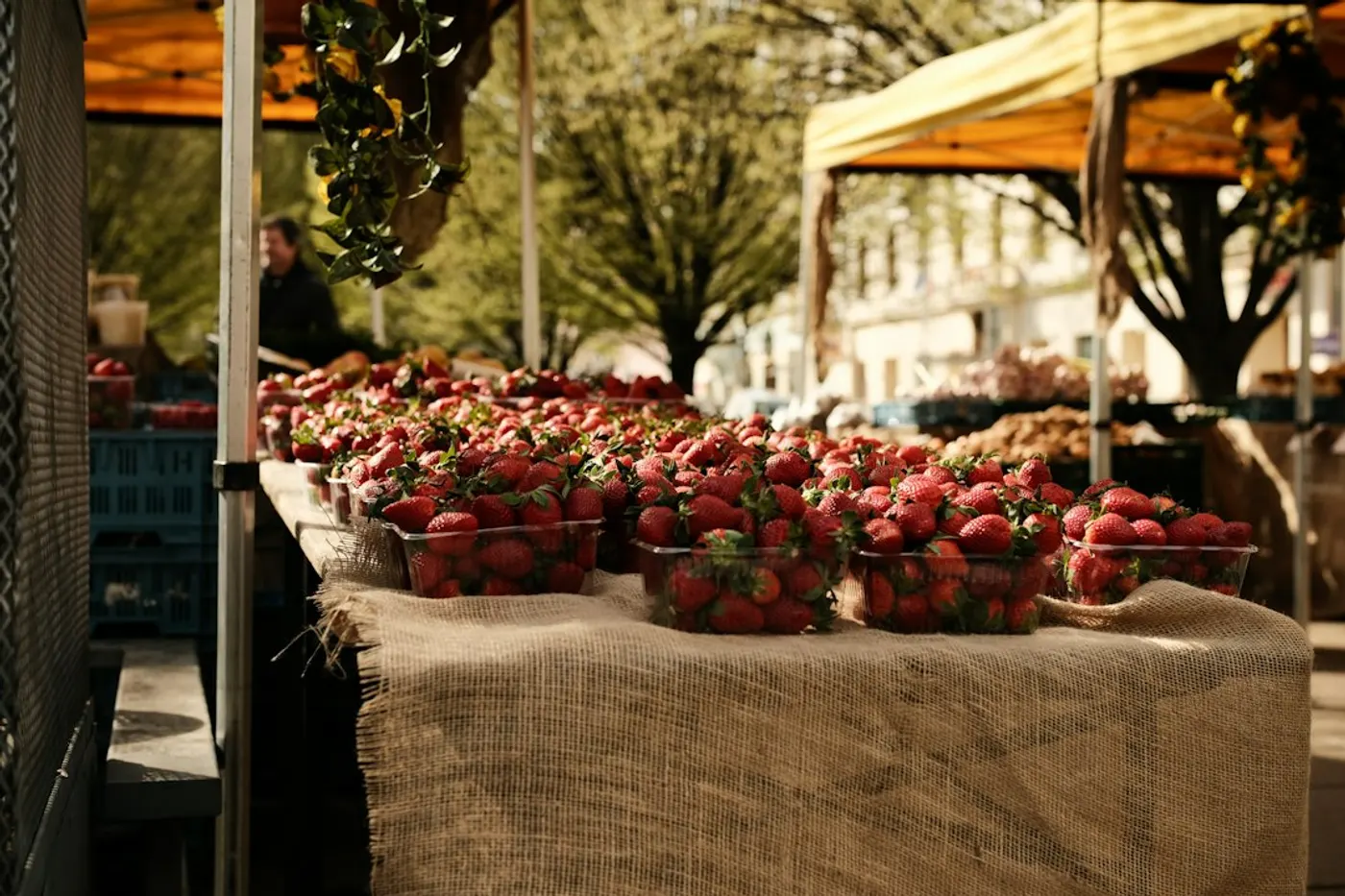
You can sell at wholesale or retail, including farms, farm stands, farmers markets, green markets, craft fairs and flea markets, by home delivery, or over the internet. Everything must be sold within New York State, and shipping products out of state is not permitted.
Wholesale to local restaurants, cafes and grocery stores is allowed inside the state. The official page lists no annual sales cap for home processors.
Does the cottage food law apply in New York City?
The Department’s home processing page does not mention New York City. It is a statewide licensing exemption, and it tells applicants to get approval from local zoning officials first. City residents should also check their lease and local rules before cooking for sale, and should ask the city or state agency if they are unsure.
Pending bill: Assembly bill A5836-A, the “homegrown foods act,” would add a new exemption in Agriculture and Markets Law § 251-z-13 for foods grown and processed at a private residence. It would cap total annual income from those sales at $12,500 and allow items such as pickles, honey and vinegar. It was amended and sent back to the Assembly Agriculture Committee on May 26, 2026 and has not passed either house, so it is not law.
Real New York scenarios
- Saturday market baker in Albany County: selling pre-packaged cookies and double-crust apple pies at a farmers market is allowed once you are registered.
- Cheesecake order from a neighbor: not allowed, because cheesecake is on the banned list and needs refrigeration.
- Online jam shop with a customer in New Jersey: not allowed, because home processor products cannot be shipped out of state.
- Hot sauce at a craft fair: not allowed, since sauces and salsas are prohibited.
Myths and facts
- Myth: You can sell anything you cook at home. Fact: Only foods on the approved list qualify.
- Myth: You can ship cookies to other states. Fact: Sales must stay inside New York.
- Myth: You can start selling the day you apply. Fact: You need to be registered first, and review can take up to 16 weeks.
- Myth: Registration costs money every year. Fact: There is currently no fee and no expiration date.
Timeline
- February 24, 2025: A5836 introduced and referred to the Assembly Agriculture Committee.
- May 20, 2025: bill held for consideration in committee.
- January 7, 2026: bill referred to the Agriculture Committee again for the new year.
- May 26, 2026: bill amended as A5836-A and recommitted to committee.
Frequently asked questions
Do you need a license to sell baked goods from home in New York?
You do not need an Article 20-C license if you register as a home processor and sell only approved foods. You do need to register with the Department of Agriculture and Markets first, and your kitchen must be an ordinary home kitchen.
Is there a sales limit under New York cottage food laws?
The Department’s home processing page states no annual sales cap. The pending homegrown foods act would set a $12,500 yearly income cap for its own separate exemption, but that bill has not become law.
Can you sell cottage food online in New York?
Yes, within New York State. Internet sales are allowed, but you cannot ship out of state, and your website cannot advertise foods that are not allowed under the exemption.
Can you make frosted cakes under the home processor exemption?
Yes, but homemade buttercream and cream cheese frostings are prohibited. Cakes, cupcakes and cake pops are on the approved list, so the frosting must not need refrigeration.
Will the state inspect your home kitchen?
Kitchens are reviewed on a complaint basis only. If someone complains, or you sell foods the exemption does not allow, your registration can be voided.
Can you sell homemade canned goods in New York?
Only jams, jellies and marmalades made from high-acid fruit are approved. Cooked or canned fruits and vegetables, pickles, salsas and sauces are on the prohibited list.
What changed on this page
- November 1, 2026: first publication, checked against
1 NYCRR 276.4, the Department of Agriculture and Markets home processing page and the status of Assembly bill A5836-A. Spotted a mistake? See our corrections page and editorial policy.
If this affects you
For registration, contact the Division of Food Safety and Inspection at the New York State Department of Agriculture and Markets. For a dispute with a customer or a complaint against your registration, talk to a New York-licensed small business attorney. The New York State Bar Association lawyer referral service can help you find one. For related topics, browse money, business and consumer laws and everyday life laws.